I recently had to add some extra steps to my work flow in order to achieve a goal that other people can do easily. I asked the client if it would be OK (because it didn’t really inconvenience anyone else, or take much extra time) but I still felt a bit inedequate that I had to take this extra step.
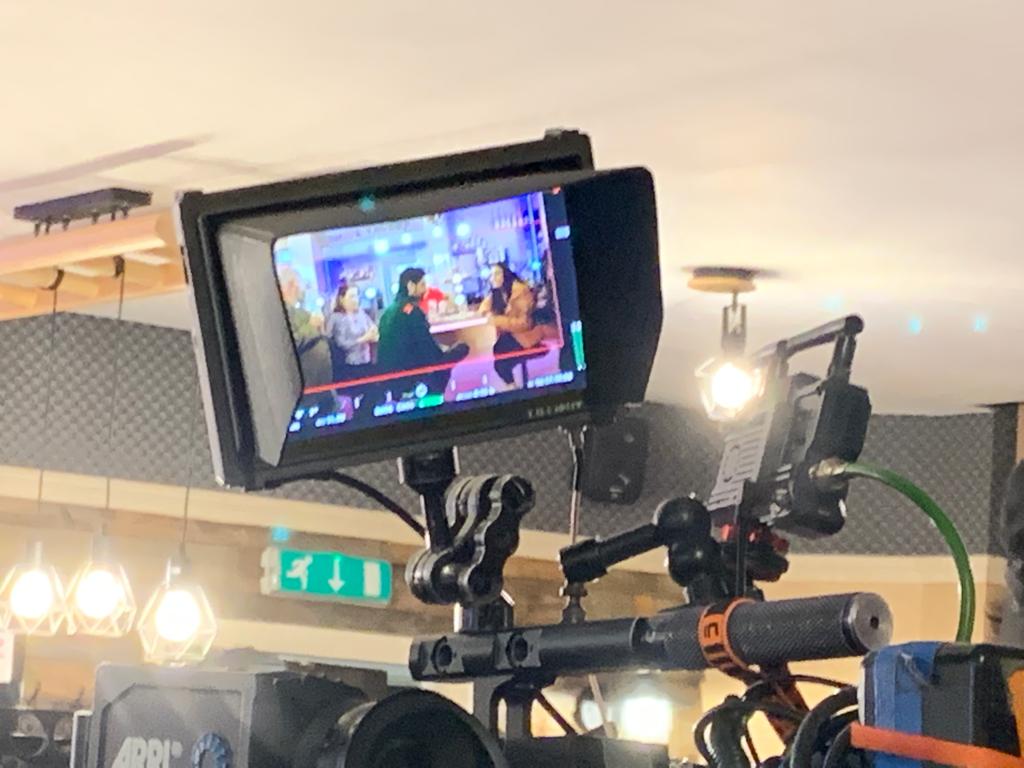
Full disclosure: I had to cry in an acting scene, and I find it MUCH easier to do this if I listen to sad music. So I wore one earbud, played in the music on my phone, and achieved the required tears. The sound guys couldn’t hear it and the earbud wasn’t visible, so it didn’t interrupt the scene. I know other actors can just switch on the tears without a second thought, but that’s not me. Equally, some other actors can’t ‘cry on cue’ at all, so at least I am ahead of them 🙂
I have written before about the time I asked a well-known actor how he managed to cry on cue and he told me he always asked the director to do his close-up first, while the emotion was fresh and would come up naturally (before he got ‘stale’, after many repeats and different camera angles).
I was surprised that I felt a bit guilty and inadequate on this occasion, but it got me thinking about people who are neurodivergent or ADHD, who need to take extra steps to achieve results at work. They might need to wear headphones to avoid overstimulation (eg hearing other people’s conversations). They might need to take breaks or put time limits on periods of intense concentration. They might need to write lists to stay on track and avoid forgetting key tasks.
Some employers can accommodate these needs, and some can’t. For example, paramedics have got to turn up and save lives. Firefighters have got to douse those flames. Call centre staff have to answer the phone. They can’t fail at these crucial moments. But office work and creative work can sometimes be flexible. People can work from home, in the evenings or on their own (unless there are client meetings, of course).
Of course, some adaptations (that Gen Z in particular have asked for) that couldn’t be accommodated have become memes because they were outside the definition of ‘reasonable’. These include: taking time off to ‘rehome bird eggs’, late arrival because their pet gerbil had ‘separation anxiety’, or they couldn’t get their cat into the carrier (I have actually experienced this, but it didn’t make me late for work).
So, some adaptations are fine, which we understand much more since the increase in flexible working and Covid in particular. We’re also used to adaptations for employees with physical disabilities, eg toilets and ramps, plus ergonomic chairs and anti-glare screens/glasses for all staff who do computer work.
My point is:
…and this is my point: I don’t think I should feel worried about my little trick or ‘cheat’ to achieve the desired results. In fact, I prefer to feel empowered that I found a workaround which really worked! And will work for me in the future 🙂