What percentage of people perform well on zoom calls, meetings, giving presentations, speaking at conferences, or even on TV? They’re such an asset to your business. BUT so often we see lacklustre, over-rehearsed / under-rehearsed, unfocused, scattergun, unengaging, dull, un-impactful TV or video-call appearances.
The internet tells me, “in the broadcast industry, only about 10% of the general population naturally possesses the specific combination of high facial symmetry, vocal clarity, and un-self-conscious charisma required to command a screen immediately without formal training”.
Well of course, I am not insisting you suddenly develop a perfectly symmetrical face! But we can all build up a more “un-self-conscious charisma”, plus confidence and ease in front of a camera.
There are lots of Communications Coaches around, including me. But how many people access this kind of training? How many of us think we’re SO BAD, we’ll get some training? Not many. But I would say: do consider it, even as part of a wider Leadership Training day, or an off-site Teambuilding Day, for a group – or even as individuals, one-by-one (if people prefer not to make mistakes in front of their colleagues).
Some factors we work on are:
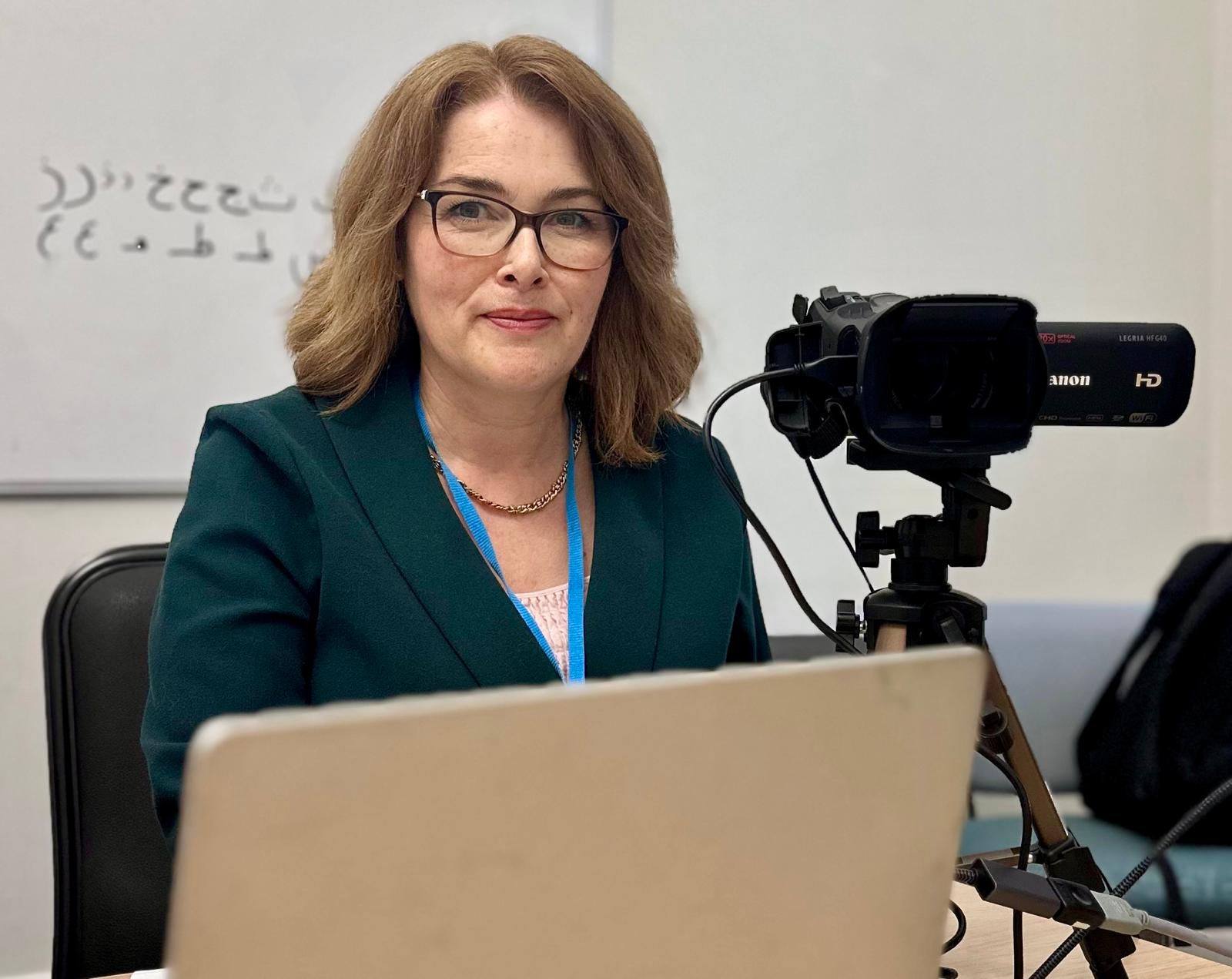
- Screen Presence: This is partially how you look, how smart or groomed you look (not necessarily how naturally beautiful or handsome) but also how expressive you are. Some people have a naturally ‘low key’ energy, and feel like a clown becoming artificially overexcited or manic. But we can work on becoming more animated, so your meaning and enthusiasm translate through your eyes and facial expressions. Mainly, you don’t want to freeze or stiffen when a lens is pointed at you.
- Technique: About 60% of people don’t naturally shine on zoom calls (or TV) because cameras can flatten depth, distort proportions and emphasise imperfections or nervous ticks. But there are good techniques for eye contact, voice (pitch, pace and tone) and body language, that can improve your performance 🙂
- Camera Anxiety: About a third of people really dislike going in front of a camera (even for family snaps!) This makes them either shut down, reduce their gestures and speak in a monotone voice – or, conversely, over-animate. Media training can help a lot (and I have seen this myself) to assist people in overcoming their physiological stress response.
My point is:
…and this is my point: performing well on television isn’t about model-girl looks or even intelligence; it’s about learning to project energy through a piece of glass to your audience, who aren’t in the room with you.
Get in touch to explore a training session 🙂